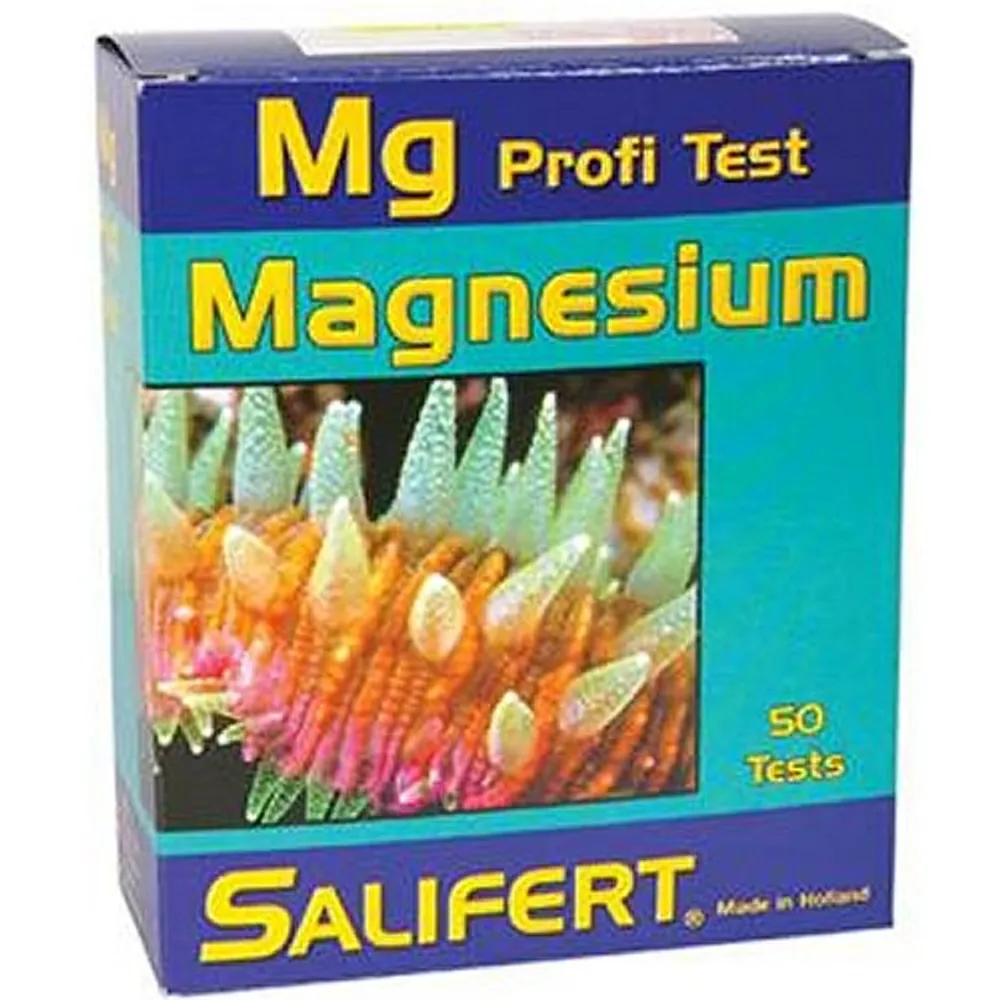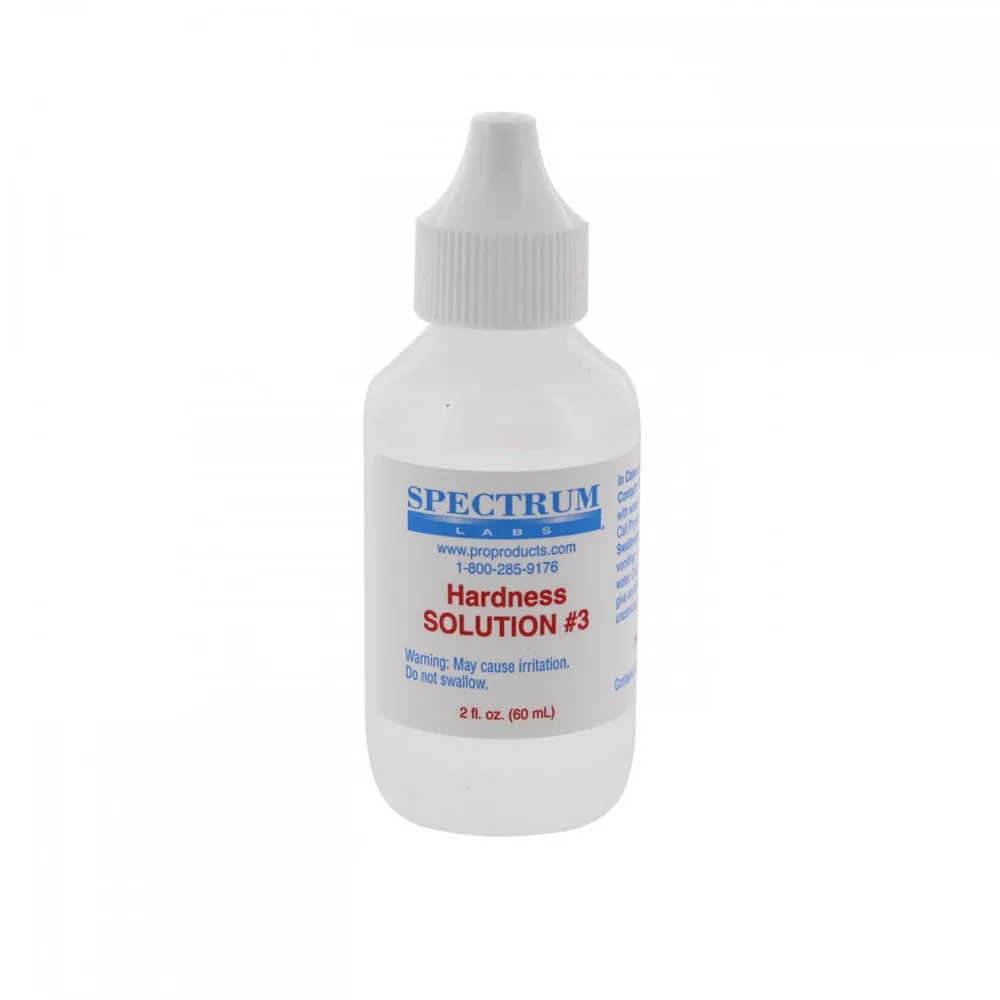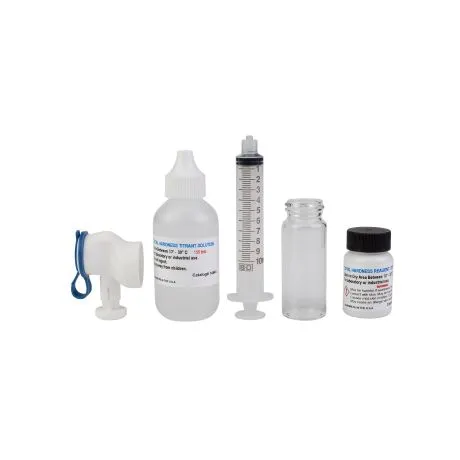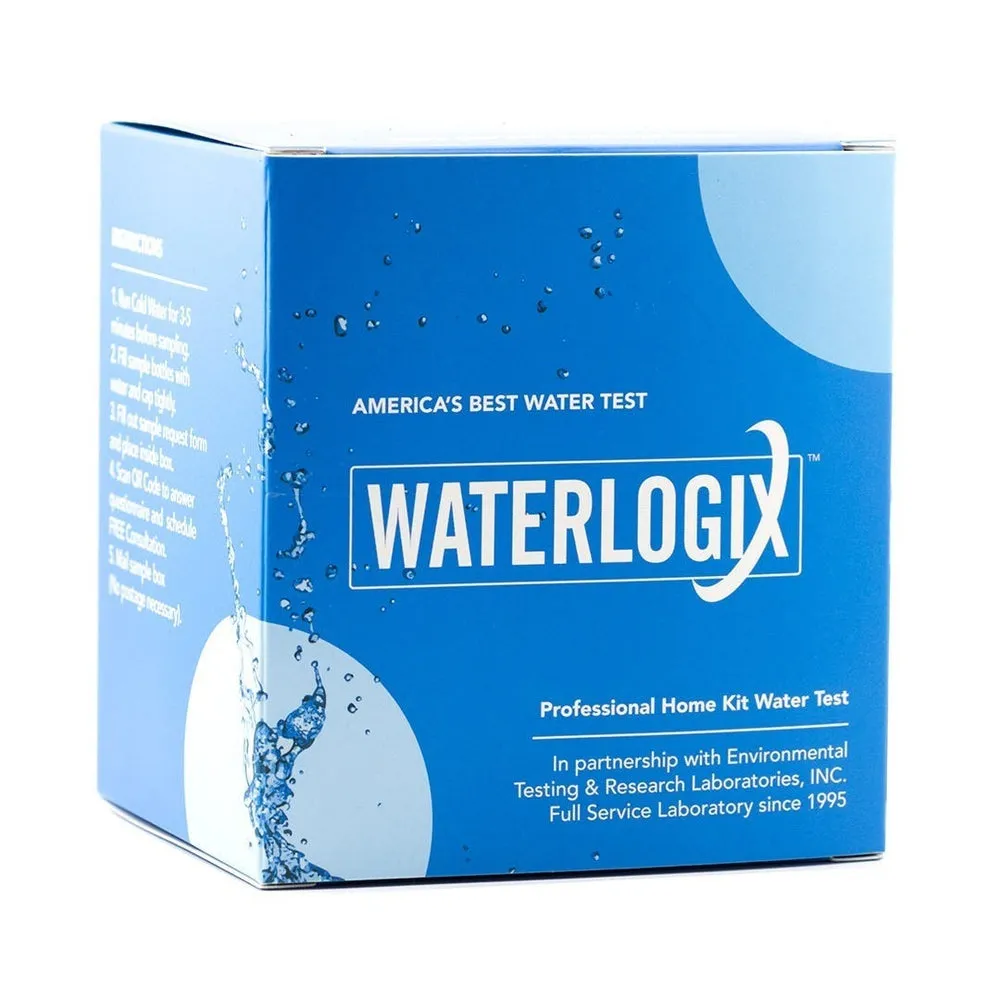
The Basic Test utilizes a state-of-the-art water testing lab to cover 53 of the most common contaminants, including a water hardness test among others. If you don’t feel 100% confident about your water quality then we always recommend a laboratory water analysis. This data-driven approach equips our water experts with the information they need to propose a system tailored to your unique water chemistry, providing priceless peace of mind.
Of course, high-quality, professional-grade water treatment equipment is vitally important, which is why more people come to US Water Systems. However, determining the type and size of system you need requires a detailed laboratory water analysis. Our Basic Test is designed to assess the 53 most common contaminants that we analyze to devise an appropriate water treatment strategy.
Unsure if this water quality test is the right fit for you? Call one of our Certified Water Specialists at , and we can help you identify the most suitable test for your needs.
Improve your home’s water with our expert test! Purchase our water analysis, and if you choose our recommended Whole House Point of Entry System, enjoy a $99 rebate on your system. Plus, we offer for the water test, both to you and to the lab for utmost convenience. Note: Point of Use systems are excluded from this rebate. in Continental U.S. Only.
Here’s the process:
Speak to a Water Expert!
– OR –
If you decide to purchase the recommended system based on your results, we will give you
Here’s a comparison of the contaminants analyzed in America’s Best Water Tests vs other companies offerings:
| America’s Best Water Test – Premium |
America’s Best Water Test – Basic |
Other Companies Water Test |
|---|---|---|
| Total Coliform | Total Coliform | pH |
| Fecal E. coli | Fecal E. coli | Total Dissolved Solids |
| Total Bacteria Count | Total Bacteria Count | Hardness |
| Aluminum | Aluminum | Iron |
| Antimony | Antimony | Iron Bacteria |
| Arsenic | Arsenic | Manganese |
| Barium | Barium | Copper |
| Beryllium | Beryllium | Nitrates |
| Boron | Boron | Tannins |
| Cadmium | Cadmium | |
| Calcium | Calcium | |
| Cerium | Cerium | |
| Chromium (Total) | Chromium (Total) | |
| Cobalt | Cobalt | |
| Copper | Copper | |
| Iron | Iron | |
| Lead | Lead | |
| Lithium | Lithium | |
| Magnesium | Magnesium | |
| Manganese | Manganese | |
| Mercury | Mercury | |
| Molybdenum | Molybdenum | |
| Nickel | Nickel | |
| Phosphorous | Phosphorous | |
| Potassium | Potassium | |
| Selenium | Selenium | |
| Silver | Silver | |
| Sodium | Sodium | |
| Strontium | Strontium | |
| Thallium | Thallium | |
| Tin | Tin | |
| Titanium | Titanium | |
| Uranium | Uranium | |
| Vanadium | Vanadium | |
| Zinc | Zinc | |
| Chloride | Chloride | |
| Fluoride | Fluoride | |
| Nitrates (as N) | Nitrates (as N) | |
| Nitrite | Nitrite | |
| Sulfate | Sulfate | |
| Alkalinity (as CaCO3) | Alkalinity (as CaCO3) | |
| Ammonia | Ammonia | |
| Color | Color | |
| Conductivity | Conductivity | |
| Hardness | Hardness | |
| Odor | Odor | |
| pH | pH | pH |
| Sediment | Sediment | |
| Silica | Silica | |
| Tannins | Tannins | |
| Total Dissolved Solids | Total Dissolved Solids | |
| Turbidity | Turbidity | |
| Radon | Radon | |
| Benzene | ||
| Bromobenzene | ||
| Bromochloromethane | ||
| Bromodichloromethane | ||
| Bromoform | ||
| Bromomethane | ||
| n-Butylbenzene | ||
| sec-Butylbenzene | ||
| tert-Butylbenzene | ||
| Carbon-Tetrachloride | ||
| Dibromochloromethane | ||
| Chloroethane | ||
| Chloroform | ||
| Chloromethane | ||
| 1,2-Chlorotoluene | ||
| 1,4-Chlorotoluene | ||
| 1,2-Dibromo-3-chloropropane | ||
| Dibromomethane | ||
| 1,2-Dibromoethane | ||
| 1,3-Dichlorobenzene | ||
| 1,2-Dichlorobenzene | ||
| 1,4-Dichlorobenzene | ||
| Dichlorodifluoromethane | ||
| 1,1-Dichloroethane | ||
| 1,2-Dichloroethane | ||
| 1,1-Dichloroethylene | ||
| cis-1,2-Dichloroethene | ||
| trans-1,2-Dichloroethene | ||
| 1,2-Dichloropropane | ||
| 1,3-Dichloropropane | ||
| 2,2-Dichloropropane | ||
| 1,1-Dichloropropene | ||
| 1,3-Dichloropropene | ||
| trans-1,3-Dichloropropene | ||
| Ethylbenzene | ||
| Trichlorofluoromethane | ||
| Hexachlorobutadiene | ||
| Isopropyl benzene | ||
| p-Isopropyltoluene | ||
| Methyl-t-Butyl Ether (MTBE) | ||
| Methylene Chloride | ||
| Monochlorobenzene | ||
| Naphthalene | ||
| n-Propylbenzene | ||
| Styrene | ||
| 1,1,1,2-Tetrachloroethane | ||
| 1,1,2,2-Tetrachloroethane | ||
| Tetrachloroethylene | ||
| Toluene | ||
| 1,2,3-Trichlorobenzene | ||
| 1,2,4-Trichlorobenzene | ||
| 1,1,1-Trichloroethane | ||
| 1,1,2-Trichloroethane | ||
| Trichloroethylene | ||
| 1,2,3-Trichloropropane | ||
| 1,2,4-Trimethylbenzene | ||
| 1,3,5-Trimethylbenzene | ||
| Vinyl Chloride | ||
| o-Xylene | ||
| m+p Xylenes |
Absolutely. Well water can be tested using specialized water testing kits. These kits are designed to assess various aspects of your water, including its chemical composition, hardness, and presence of contaminants or bacteria.
To ensure the safety of your well water, regular testing is vital. Using a comprehensive water test kit, test your water at least once a year. If any anomalies are detected, a suitable water treatment solution can be recommended to address the issue.
To test your well water, you can use our mail-in water test kits. Simply order a kit, follow the instructions to take a sample, then mail it back to our lab. Our professional team will analyze your sample and provide a detailed report.
To test your well water, you can use our mail-in water test kits. Simply order a kit, follow the instructions to take a sample, then mail it back to our lab. Our professional team will analyze your sample and provide a detailed report.